Sweetest Watermelon

Liam Reilly
| 28-02-2026
 · Food Team
Walking through a produce aisle, you might feel overwhelmed by all the watermelons staring back at you.
They’re round, green, and different shapes and sizes—but how do you know which one will actually taste sweet and refreshing?
A little observation and a few simple tricks can make the difference between a bland melon and the juiciest treat of the season.
Check the Color and Pattern
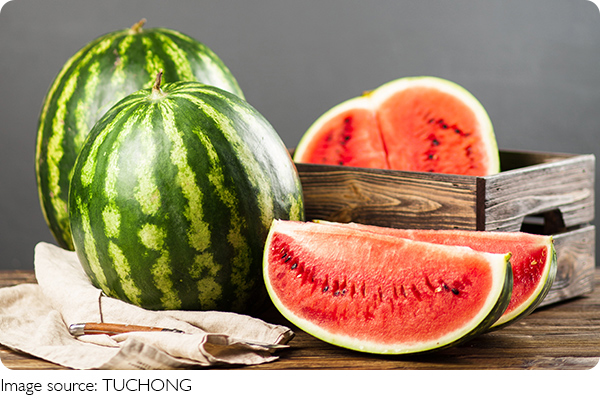
The first step is to observe the watermelon's skin. A ripe watermelon often has a deep, consistent green color with distinct striping. Look for a creamy yellow field spot on one side—this is where the melon rested on the ground and ripened. The deeper the yellow, the longer it ripened, which usually means more natural sweetness. According to the University of Missouri, “Watermelons are considered ready for harvest when their ‘belly patch’ (portion of the rind that rests on the ground) turns from white to creamy yellow.”
Tip: Avoid watermelons with overly shiny skin, as this can indicate under-ripeness. Also, a melon with uneven color patches or a pale/whitish field spot may be less sweet.
Tap and Listen
Sound is a surprisingly reliable indicator. Gently tap the watermelon with your fingers and listen to the tone it produces. A ripe watermelon gives a deep, hollow sound, while a dull or flat thump often signals it's not fully ripe.
Tip: Try tapping a few watermelons side by side. The one that resonates the most is likely your best choice. This is especially helpful when the melons are all similar in size and appearance.
Examine the Shape
Shape matters more than you might think. Ideally, pick a watermelon that is symmetrical and evenly shaped. Odd bumps, flat sides, or irregularities could mean the fruit developed unevenly, which can affect its texture and flavor.
Tip: When possible, lift the watermelon. It should feel heavy for its size. A heavier watermelon usually has more water content, which means juicier flesh. For example, a 10-pound melon should feel noticeably dense compared to others of similar size.
Check the Stem
The stem can sometimes give you a clue about ripeness, but it isn’t always reliable—many store watermelons have the stem removed. If the stem is present, a dried, brown stem can indicate the watermelon was allowed to mature longer before harvest. A very green stem may suggest it was picked early.
Tip: If there’s no stem, don’t worry—use the field spot, weight, and sound as your main indicators.
Feel the Texture
Watermelon skin should feel firm and smooth. Avoid any that are soft, have cracks, or show signs of bruising. A firm texture suggests the fruit hasn’t been damaged and will maintain a crisp bite.
Tip: Run your hand along the surface. Small texture variations are normal, but any overly soft spots should be avoided. Instead of pressing hard, use gentle pressure to check for firmness without bruising the melon.
Consider Size and Variety
Not all watermelons are created equal. Varieties like seedless or mini watermelons can differ in sweetness and texture. While size alone doesn't guarantee sweetness, choosing a variety known for flavor can increase your chances of a delicious melon.
Tip: If you're buying for a small gathering, a mini watermelon might be ideal. For larger groups, pick a larger one but apply all the previous checks—color, tap, shape, and weight—to ensure it's ripe.
Choosing the right watermelon is a mix of observation, touch, and a little intuition. By checking the field spot, sound, shape, weight, texture, and variety, you can consistently pick the sweetest, juiciest fruit. Next time you slice into a melon and taste that perfect balance of sweetness and refreshment, you’ll appreciate how much these simple steps matter—whether for a picnic, a summer salad, or a chilled snack straight from the fridge.