Atacama Desert Guide

Ravish Kumar
| 13-03-2026
 · Travel Team
Have you ever imagined visiting a desert so dry that it feels like another planet? We are about to explore the Atacama Desert, in northern Chile along the Pacific coast.
Stretching 1,600 kilometers (1,000 miles) from the Andes to the ocean, it covers roughly 105,000 square kilometers (41,000 square miles), or up to 128,000 square kilometers (49,000 square miles) including infertile slopes of the Andes.
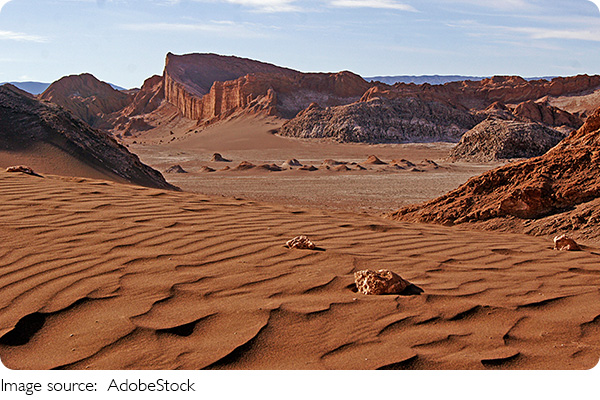
This desert is famous for its extreme dryness, otherworldly landscapes, and incredible starry skies.
Atacama Desert
A Unique Desert Environment
The Atacama is not just sand and rocks. It’s the driest non-polar desert in the world, with some areas receiving almost no rainfall for decades. It’s also the largest fog desert, creating a rare mix of dryness and coastal mist. Scientists use it to simulate Mars environments because of its similarity. This makes it a destination where nature, science, and adventure meet.
Geography and Climate
We find the Atacama between the Andes mountains to the east and the Chilean Coastal Range to the west. These mountains block moisture from the Pacific and Atlantic, forming a strong rain shadow. The cold Humboldt Current and Pacific high-pressure system create a temperature inversion, intensifying dryness.
Most of the year, temperatures are mild, though winter mornings may have frost and summer days can be very hot. The best time to visit is March–May or September–November, avoiding extreme heat or occasional winter frost.
Top Attractions and Ticket Prices
We can plan visits to iconic spots:
- Valle de la Luna (Moon Valley): $10 entry, open 9:00 AM–6:00 PM daily. Sunset is best for photography.
- El Tatio Geysers: $15 entry, open 5:00 AM–2:00 PM. Guided tours ($50–$80) recommended for early morning viewing.
- Salar de Atacama (Salt Flats): Some areas free; Chaxa Lagoon $7 entry, best early morning or late afternoon to see flamingos.
- Laguna Cejar: $12 entry, open 8:00 AM–6:00 PM. Floating in the salty water is a unique experience.
Transportation
Getting around the Atacama requires planning:
- From Calama Airport to San Pedro de Atacama: Private transfer $25–$40 per person, bus $10–$15, travel time ~1.5 hours.
- Local Travel: Renting a 4x4 costs $70–$100/day for remote areas. Guided tours cost $50–$120 depending on duration and destinations.
Tips: Roads can be rough. Always carry water, sun protection, and a GPS or map.
Accommodation
We can stay in San Pedro de Atacama, the main hub:
- Desert lodges: $80–$100 per night, basic facilities, access to tours.
- Boutique hotels: $120–$200 per night, with pools, meals, and guided tours.
- Camping: $20–$30 per night at designated sites with basic amenities.
Dining Options
We can enjoy local flavors without breaking the budget:
- Typical meals cost $10–$20 per person.
- Cafés serve breakfast or coffee for $5–$10.
- Local dishes include quinoa, roasted llama, fresh vegetables, and Andean flavors.
Tips for Travelers
- Drink plenty of water—dry air can dehydrate quickly.
- Wear sunscreen, a hat, and sunglasses.
- Dress in layers: mornings can be cold, afternoons hot.
- Book guided tours for remote areas to stay safe.
- Respect wildlife and local ecosystems.
Connecting with Nature
Exploring Atacama is more than sightseeing; it’s a way to reconnect with nature. Walking along salt flats, observing geysers, and stargazing under the clearest skies in the world gives us unforgettable experiences. Every corner surprises us with unique plants, flamingos, or geological formations shaped over thousands of years.
Ready to Explore?
Lykkers, the Atacama Desert is not only the driest place on Earth but also a land of wonder, adventure, and learning. From landscapes and observatories to starry nights, this desert leaves us with memories that last a lifetime. By planning carefully with transportation, accommodation, and practical tips, we can enjoy the Atacama to the fullest. Are you ready to explore this extraordinary desert with us?