Ba Be Lake

Pankaj Singh
| 16-04-2026
 · Travel Team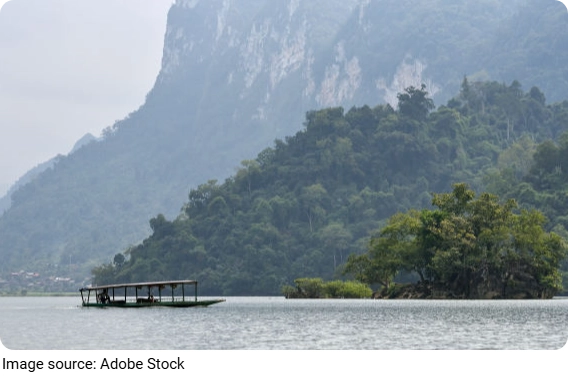
There are mornings on Ba Be Lake when the mist sits so low over the water that a boat moving through it seems to be floating in cloud rather than crossing a lake.
The green of the surrounding forest reflects in the still surface below, the paddler's oar breaks the mirror in slow circular ripples, and the silence is complete except for the sound of water.
That image — a wooden boat on emerald water beneath mist and mountain — isn't staged. It's just Ba Be Lake most mornings.
Ba Be Lake is in Bac Kan Province, 240 km north of Hanoi. It's Vietnam's largest natural freshwater lake, inside a national park most visitors never reach. Heard of it? Here's what you need to know.
Ba Be
What Makes Ba Be Lake Extraordinary
Ba Be — which translates as Three Lakes, referring to the three interconnected water bodies that form the system — is designated as a Ramsar Wetland of International Importance, a recognition of its ecological significance that places it among the most valuable freshwater ecosystems in Southeast Asia.
The lake sits at approximately 145 meters above sea level, surrounded by karst limestone mountains that rise steeply from the water's edge and are covered in primary forest that has remained largely intact due to the protected status of the national park.
This combination of clear deep water, forested limestone terrain, and high biodiversity produces a landscape that reads simultaneously as dramatic and serene — the mountains provide scale and visual complexity, while the lake surface provides the stillness that makes the early morning experience so compelling.
The lake supports over 550 plant species, 65 mammal species, and more than 200 bird species within the surrounding national park. The water itself is home to freshwater fish species including several endemic to the Ba Be system — species found nowhere else on Earth. The combination of terrestrial and aquatic biodiversity makes the area one of the most ecologically significant in mainland Southeast Asia.
Getting There
Ba Be Lake is located approximately 240 kilometers north of Hanoi, with the journey typically taking four to five hours by road. Several transport options connect the capital to the lake area.
Organized day tours and overnight tours from Hanoi are available through most travel agencies in the Old Quarter, with prices starting from approximately $35 to $60 per person for a basic overnight package including transport, accommodation, and boat tour. These tours use minibus transport and are the most convenient option for visitors without local language skills or navigational confidence on unfamiliar roads.
Independent travelers can take a public bus from Hanoi's My Dinh bus station toward Bac Kan province, with onward connections to the Ba Be area. The full journey by public transport takes approximately five to six hours and costs approximately $8 to $12 per person each way. A motorbike taxi from the nearest town to the lake entrance costs approximately $5 to $10.
Private car hire from Hanoi for the round trip — the most comfortable independent option — costs approximately $80 to $120 for a full vehicle, making it economical for groups of three or four.
Key Experiences and Practical Costs
Ba Be National Park charges an entry fee of approximately $3 to $5 per person for access to the lake and surrounding trail network.
1. Boat tours on the lake — the defining experience, available through local operators based at the main visitor area. A two to three hour boat tour covering the main lake sections, the Puong Cave, and the Dau Dang Waterfall costs approximately $15 to $25 per vessel, making it more economical for small groups than for individual travelers.
2. Kayak rental — available at the lake for approximately $8 to $12 per half day, allowing self-directed exploration of the quieter lake sections away from the main tour routes.
3. Hiking trails — several marked trails lead through the national park forest, ranging from one to three hours in duration. Trail access is included in the park entry fee.
4. Village visits — several ethnic minority communities live within and around the park boundaries and receive visitors through community tourism programs. Guided village visits cost approximately $5 to $10 per person and provide direct economic benefit to local families.
Where to Stay
Accommodation at Ba Be falls into two main categories — homestays within local communities around the lake, and the Ba Be National Park guesthouse.
Community homestays are the most recommended option for visitors wanting genuine immersion in the lake environment. Several families around the lake shore offer rooms with meals included for approximately $15 to $25 per person per night. The quality varies between operators but the location — often directly on the lake bank with morning mist views from the sleeping area — consistently exceeds what any hotel property could offer at any price point.
Ba Be National Park Guesthouse provides more conventional accommodation with private rooms from approximately $20 to $35 per night, located within the park boundary and within easy reach of the main boat departure area. For visitors wanting a higher comfort level, several small eco-lodge properties have been developed in the area in recent years, with rooms from approximately $50 to $80 per night including breakfast.
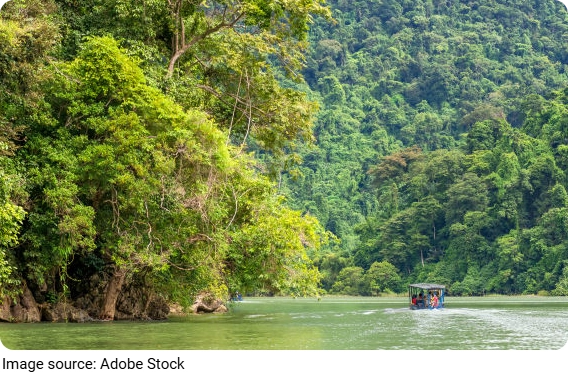
Ba Be Lake is the kind of place that changes the pace of a person who visits it — where the morning mist and the still water and the sound of a single oar moving through green water produce a quality of quiet that most people spend their entire lives trying to find somewhere else.
Have you been to Ba Be, or has northern Vietnam been the part of the country you have been saving for a different trip? Either way, the mist will be on the water at dawn, the boat will be waiting at the bank, and the lake will be exactly as peaceful as the photograph suggested it would be.