Boost Your Immune System

Ravish Kumar
| 01-06-2026
 · Science Team
Hey Lykkers! The immune system functions as a highly coordinated defense network that continuously monitors internal balance and responds to external biological threats. It’s not a single structure but an interconnected system made up of specialized cells, tissues, and signaling pathways.
When a virus such as influenza enters the body, immune cells recognize unfamiliar patterns and activate a rapid response designed to limit spread and restore stability. Among these defenders, white blood cells play a central role in identifying and neutralizing harmful agents.
A strong immune function supports recovery efficiency and resistance against common infections, while weakened responsiveness can increase vulnerability to illness. Beyond infection control, immune activity is also involved in identifying abnormal cellular changes, making it an essential component of long-term health regulation.
Immune Balance and Nutritional Support
Immune strength is influenced by multiple lifestyle and dietary factors rather than a single nutrient source. Nutrient-dense foods provide vitamins, minerals, and plant compounds that support immune cell efficiency and communication pathways. The term “superfood” is often used in marketing contexts, yet scientifically it does not represent a distinct food category. Instead, it describes foods with high concentrations of nutrients per serving. These foods support overall health but do not function as standalone solutions for disease prevention or treatment.
Berries and Natural Antioxidant Support
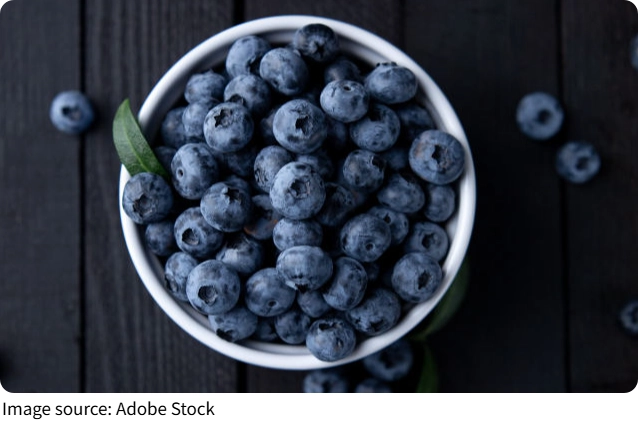
Berries are widely recognized for their dense concentration of natural plant compounds, including flavonoids and vitamin-rich elements. Blueberries, blackberries, strawberries, and similar varieties contain antioxidant compounds that help protect cells from oxidative stress.
Regular inclusion in meals can be achieved through blending into natural yogurt, mixing into grain-based breakfasts, or consuming as lightly prepared snacks. Their natural sweetness also provides an alternative to heavily processed desserts while contributing micronutrient diversity.
According to nutrition researchers including Dr. Walter C. Willett, berries are rich in polyphenols and anthocyanins—compounds associated with antioxidant activity and potential immune-supporting benefits—though they should be considered as part of an overall healthy dietary pattern rather than as a standalone "powerful" food for boosting immune function.
Leafy Greens and Cellular Protection Support
Dark leafy vegetables such as spinach, kale, and collard greens are rich in vitamin C, beta-carotene, and various phytonutrients. These compounds contribute to immune cell signaling efficiency and support tissue resilience. In addition to immune support, leafy greens are associated with cardiovascular balance and digestive system harmony due to their fiber content and mineral composition. Light steaming or fresh preparation helps preserve nutrient integrity.
Nuts and Seeds for Mineral Density
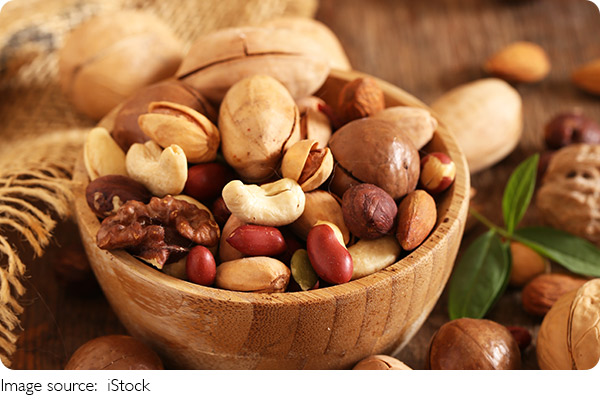
Nuts and seeds like almonds, walnuts, and sunflower seeds provide essential minerals such as magnesium and selenium, plus B-complex vitamins that support immune regulation and cellular energy production. Their natural oils also help absorb fat-soluble vitamins. Small daily portions can be added to salads, grain dishes, or eaten as snacks to support steady nutrient intake.
Poultry and Protein-Based Immune Support
Poultry sources such as chicken provide high-quality protein along with micronutrients like zinc and vitamin B-6. These nutrients are involved in the production and regulation of immune-related cells. Zinc plays a particularly important role in immune signaling efficiency, while vitamin B-6 contributes to metabolic processes that support cellular renewal. Lightly prepared poultry-based meals, such as soups or steamed dishes, are often used in nutritional recovery contexts due to their digestibility and nutrient density.
Eggs and Complete Nutrient Composition
Eggs contain a wide range of nutrients including protein, vitamin D, and essential amino acids. These components support immune system maintenance and cellular repair processes. Choline, present in eggs, also contributes to neurological signaling pathways, indirectly supporting overall physiological balance. Simple preparation methods such as boiling or gentle cooking help retain nutrient quality without unnecessary additives.
Building Daily Dietary Consistency
Immune-supportive nutrition depends on regularity rather than occasional intake. A balanced approach includes varied food groups throughout the week to ensure steady nutrient availability. Practical dietary structure often involves:
- Rotating different colored fruits and vegetables to diversify plant compounds
- Including protein sources at regular intervals to maintain cellular function
- Adding nuts and seeds in controlled portions for mineral balance
Common Misunderstandings About Immune Foods
Several misconceptions often appear in discussions about nutrition and immunity:
- Assuming single foods can prevent illness independently
- Overlooking the importance of overall dietary patterns
- Relying on highly processed products labeled as “health foods”
- Expecting immediate immune enhancement from dietary changes
The immune system functions as a complex biological defense network supported by consistent nutritional input, particularly from nutrient-dense whole foods. Berries, leafy greens, nuts, seeds, poultry, and eggs each contribute distinct vitamins, minerals, and bioactive compounds that assist immune regulation and cellular performance. While no single food acts as a complete solution, dietary diversity plays a central role in maintaining system stability.
Lykkers, reflecting on daily eating patterns reveals how small nutritional choices accumulate into long-term health influence. Considering greater variety in natural, minimally processed foods may help strengthen internal balance over time and support a more resilient physiological system.