Child Hygiene Habits

Chandan Singh
| 16-07-2026
 · Science Team
Personal hygiene during early development plays a fundamental role in shaping long-term health habits and daily comfort.
Consistent hygiene routines help reduce exposure to microbes, support skin health, and contribute to overall well-being.
Childhood is a critical period for establishing lifelong cleanliness habits, as routines developed during these years often continue into adulthood. Effective hygiene education combines structured daily routines, practical demonstrations, and positive reinforcement to encourage lasting habits while gradually building independence.
Hand Cleaning as a Core Protective Habit
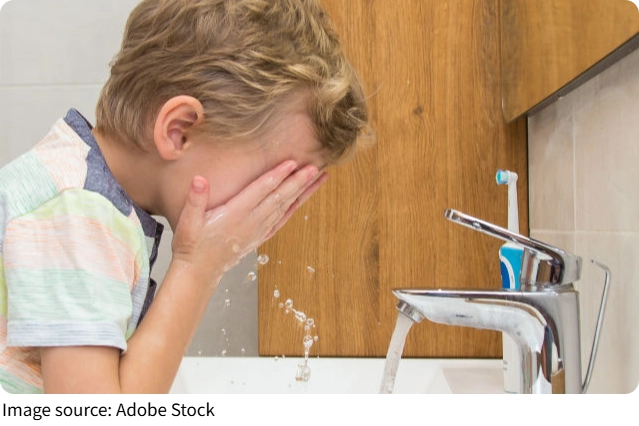
Hand hygiene is one of the most effective ways to support everyday cleanliness and reduce the spread of microorganisms encountered during daily activities. Frequent contact with shared surfaces, toys, and commonly used objects makes regular hand washing an essential part of daily routines.
Proper hand washing includes using clean water and soap while thoroughly cleaning all areas of the hands, including between the fingers and under the nails. Washing before meals, after outdoor play, and after touching animals or frequently used public surfaces helps maintain good hygiene and supports overall health.
"Handwashing with soap is one of the best ways to stay healthy." — Centers for Disease Control and Prevention.
Hair and Scalp Maintenance for Cleanliness and Comfort
Regular hair care contributes to cleanliness, comfort, and overall personal hygiene. Washing the hair helps remove dust, sweat, and environmental particles that naturally accumulate over time. Choosing gentle cleansing products suitable for sensitive skin helps maintain the skin's natural balance while minimizing unnecessary irritation.
Brushing or combing the hair regularly helps prevent tangles and distribute natural oils evenly. Using personal grooming tools instead of sharing them helps maintain good hygiene. Consistent hair care also makes it easier to notice signs of dryness or sensitivity so they can be addressed promptly.
Nail Care to Support Cleanliness
Nail hygiene is an important part of personal cleanliness because dirt and other particles can collect beneath the nails. Keeping nails short, clean, and smooth helps reduce the buildup of debris and supports everyday hygiene.
Regular trimming with appropriate personal care tools improves comfort and helps prevent accidental scratching. Cleaning beneath the nails during routine hand washing further supports cleanliness and healthy hygiene practices.
Clothing Hygiene and Daily Freshness
Clean clothing plays an important role in maintaining personal hygiene and everyday comfort. Changing garments regularly, especially after physical activity or spending time outdoors, helps keep clothing fresh and clean. Wearing breathable fabrics also supports comfort by reducing excess moisture.
Washing clothing with appropriate detergents helps remove dirt and maintain freshness. Proper storage of clean garments helps keep them clean until they are ready to be worn.
Environmental Cleanliness and Daily Habits
Personal hygiene extends beyond individual care and includes maintaining clean surroundings. Regular cleaning of frequently touched surfaces, such as tables, toys, and sleeping areas, helps create a clean and comfortable environment that complements personal hygiene routines.
Proper waste disposal and keeping living spaces organized make cleaning more efficient and encourage consistent hygiene habits. Clean surroundings reinforce healthy daily routines and contribute to overall comfort.
Dental Hygiene and Daily Care
Dental hygiene is an essential part of personal care that supports clean teeth and healthy gums over the long term. Brushing teeth twice a day helps remove food particles and reduce plaque buildup. Using proper brushing techniques helps ensure all tooth surfaces are cleaned effectively.
Consistent dental care contributes to everyday comfort, fresh breath, and confidence during daily interactions. Regular dental hygiene routines support healthy teeth and gums throughout childhood and beyond.
Establishing Consistent Hygiene Routines
Consistency is essential for developing lifelong hygiene habits. Following structured daily routines helps make personal care a natural part of everyday life. Visual reminders, regular practice, and positive encouragement strengthen habit formation and build confidence in managing personal hygiene independently.
Gradually increasing responsibility as children grow reinforces good hygiene practices while encouraging independence and self-care skills.
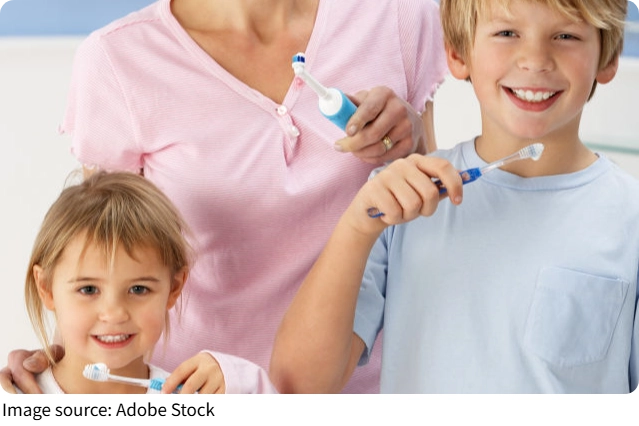
Developing strong personal hygiene habits during childhood lays the foundation for lifelong cleanliness, comfort, and overall well-being. Daily practices such as hand washing, hair and nail care, clean clothing, dental hygiene, and maintaining tidy surroundings work together to support a healthy lifestyle. Establishing these routines early helps children develop practical habits that can benefit them throughout life.