Balkans Beyond The Crowds
Ravish Kumar
| 12-11-2026
 · Travel Team
Europe’s famous hiking regions can feel increasingly busy, but the High Scardus Trail offers a very different experience. Stretching across North Macedonia, Kosovo and Albania, it follows high ridges, old caravan routes and shepherd paths through some of the Western Balkans’ quietest mountain country.
The complete journey is a serious expedition, yet shorter sections make it possible to experience the route without committing to several weeks on foot.
Three Countries In One Trek
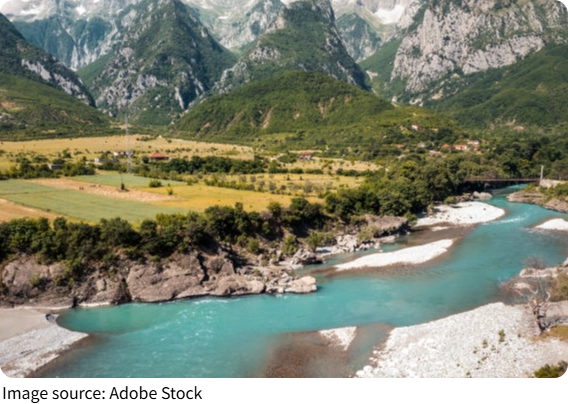
The trail connects the Sharr, Korab, Deshat, Jablanica and Galicica mountain ranges.
The original long-distance route covers roughly 360 km and is divided into around 20 stages. Some modern itineraries extend the network farther, but the core experience remains the same: long mountain days, frequent border crossings and remote settlements.
The trail eventually reaches Lake Ohrid, one of Europe’s oldest lakes, after passing through six national parks.
For experienced hikers, this changing landscape is one of the route’s biggest attractions.
Mount Korab Is A Highlight
One of the most memorable sections passes close to Mount Korab, which reaches 2,764 meters and forms the highest point of both Albania and North Macedonia.
The surrounding terrain is dominated by broad alpine meadows, rocky ridges and seasonal shepherd settlements.
Unlike heavily developed Alpine regions, accommodation here is often simple. Walkers may stay in family guesthouses, huts or rural homes rather than large mountain hotels.
That simplicity is part of the appeal, but it also means hikers should not expect the same level of infrastructure found in more established European trekking regions.
Korab
History Follows The Trail
The route is also shaped by the history of the borderlands.
Some paths originated as trade and caravan routes centuries ago, while others crossed landscapes that remained difficult for visitors to access during the political conflicts of the late twentieth century.
Today, the trail links communities that were once separated by tightly controlled borders.
Villages, former military structures and traditional grazing areas appear between stretches of open wilderness, making the journey as much about culture as scenery.
Guides Make Planning Easier
Independent trekking is possible on some sections, but the full route requires careful planning.
Border procedures can change, while trail markings and navigation are less consistent than on major Alpine routes. Local guides can also arrange permits, transfers and accommodation across the three countries.
For 2026, shorter eight-day guided itineraries start at around €950–€1,150 per person. Longer guided sections can cost around €1,340–€1,480, while more comprehensive packages with accommodation, meals and transfers may rise above €1,700.
Prices vary considerably according to group size and included services.
Summer Offers The Best Conditions
The main trekking season runs from roughly mid-June until early or mid-October.
July and August generally provide the most predictable high-altitude conditions, although afternoon storms and sudden temperature changes remain possible.
Early autumn can be quieter and cooler, while snow may linger on higher sections early in the season.
Daily stages can involve six to nine hours of walking, substantial elevation gain and limited opportunities to leave the route quickly.
A Different Side Of Europe
The High Scardus Trail is not designed for travelers looking for polished resorts or easy logistics.
Its attraction lies precisely in what remains undeveloped: quiet valleys, high pastures, small communities and long stretches where few other walkers appear.
For hikers prepared for demanding days and simple accommodation, it offers something increasingly rare in Europe — the feeling of crossing a landscape that tourism has not yet completely reshaped.

