Forests Stand Strong

Amit Sharma
| 17-11-2026
 · Nature Team
Forests are facing increasingly difficult conditions as temperatures rise and weather patterns become less predictable. Some areas experience intense heat alongside prolonged dry periods, while others face unusually heavy rainfall.
These combined conditions can place considerable pressure on trees and affect how well entire forest ecosystems function. New research suggests that one important factor in helping forests cope is the variety of tree species growing within them.
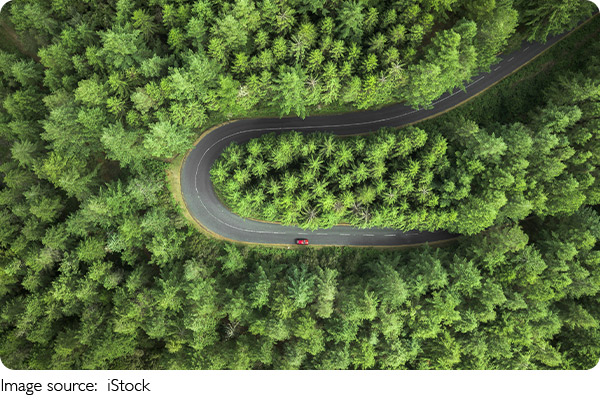
A study published in Nature Communications in July 2026 examined forest data across the United States. The findings indicate that forests containing more tree species generally handled extreme climate conditions better and recovered more effectively afterward. The results offer useful insights for people responsible for protecting and managing forests in a changing climate.
A Large-Scale Study of Forest Health
Previous research had suggested that having different tree species growing together could improve forest stability. However, much of the earlier work focused on relatively small experimental areas or forests specifically created for research. Scientists still needed stronger evidence showing whether the same benefits could be observed across natural forests on a much larger scale.
To investigate this question, researchers analyzed information from 88,116 forest plots across the continental United States. The data came from the U.S. Forest Inventory and Analysis program, which has regularly recorded tree species and trunk measurements in forest areas since 1990.
Why Combined Weather Extremes Are More Difficult
An important part of the research involved examining climate events that happen together rather than separately. For example, a forest may experience unusually high temperatures at the same time as a prolonged lack of rainfall. The analysis showed that combined climate extremes placed greater pressure on forests than individual events. Among the combinations examined, heat and drought produced particularly serious effects on forest activity and recovery.
This matters because forests do not always experience environmental challenges one at a time. A period of high temperatures may arrive while soil moisture is already low, making it harder for trees to maintain their normal functions.
How Different Tree Species Provide Protection
The central finding was that forests with greater tree diversity generally performed better during difficult climate conditions. They also showed stronger recovery after extreme weather events compared with forests containing fewer tree species. One possible explanation is that different trees have different characteristics and resource requirements. Some develop deeper root systems, allowing them to access water from lower soil layers.
When several species grow together, they may use available resources in different ways instead of competing for exactly the same supplies. This can help the forest make better use of its surroundings. Forestry researcher Florian Schnabel also highlighted differences in how tree species respond to dry conditions. Trees vary in the way they regulate tiny openings on their leaves, called stomata. These openings help control gas exchange and water loss.
Some trees close their stomata relatively quickly when conditions become dry, while others can maintain this activity for longer. Differences between neighboring species may help create a more balanced environment within the forest.
Diversity Is Important, but Not the Only Factor
Although the results support the benefits of tree diversity, the study does not suggest that species variety alone determines forest health. Other conditions also influenced how well the examined forests responded to climate stress. Soil characteristics, elevation, tree age, and average temperatures throughout the year all played a role.
The protective effect of diversity also differed depending on the type of weather event. It was particularly noticeable during periods of simultaneous heat and drought, although diverse forests also showed advantages under other conditions. Researchers further noted that findings from one region cannot automatically be applied to every forest. Tropical rainforests, European woodlands, and northern forests have different environmental conditions, meaning that successful management approaches may need to vary by location.
What Forest Managers Can Do
The research provides a useful starting point for future forest management. Rather than relying heavily on a limited selection of tree species, managers could consider maintaining existing diversity and testing combinations of species that may perform well together.
Monitoring forests that already contain a wide range of trees can also help researchers understand which combinations offer the greatest benefits during difficult weather conditions.
Diversity is not a complete solution to climate-related stress, but it can be an important part of a broader protection strategy. By considering local environmental conditions and maintaining a wider range of tree species, forest managers can improve the chances that woodlands will continue functioning as weather patterns become more unpredictable.

